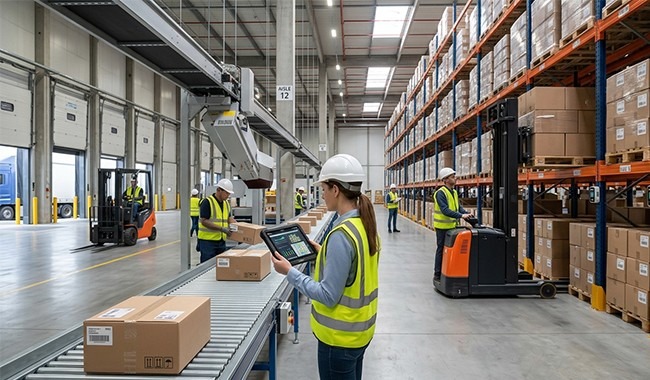
For many businesses, supply chain cost reduction becomes a priority when margins tighten, freight rates fluctuate, or working capital comes under pressure. However, reducing costs across the ...
For many B2B organizations, inventory management is often viewed as a warehouse or operations function. In reality, it is a financial and strategic discipline that directly influences ...
Selecting the right International shipping strategy is no longer a simple decision based on transportation rates or estimated delivery dates. For businesses operating in global markets, ...
A reliable supply chain strategy is not defined by whether it supports today's order volume, but by whether it can maintain cost control, operational visibility, and delivery reliability as ...
A modern end-to-end supply chain is no longer only a logistics or procurement function. For many B2B organizations, it directly determines cost predictability, delivery reliability, customer ...
In the global B2B market, many organizations continue to invest in supply chain solutions, enterprise software, procurement platforms, and process improvements with the expectation that costs will ...
Choosing a product manufacturer is often treated as a procurement task, but for most businesses it is a strategic decision that influences profitability, operational stability, customer ...
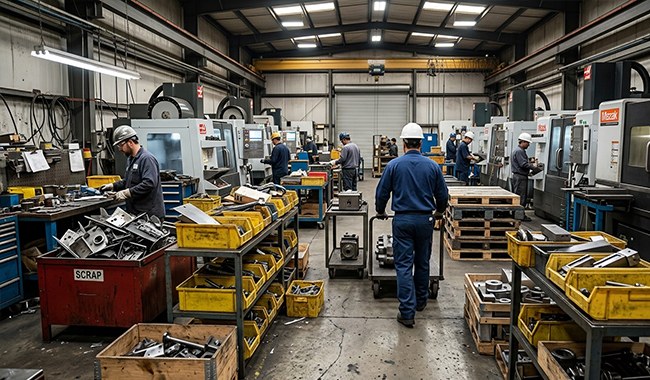
Many organizations assume that rising production costs, delivery delays, or declining margins originate on the factory floor. In practice, the most expensive manufacturing problems often begin ...
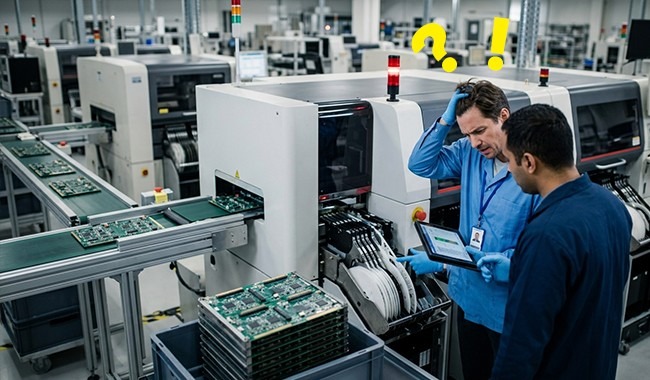
Many businesses assume that a stable manufacturing process at small order volume will remain stable during expansion. In practice, most operational failures emerge only after supply chain ...
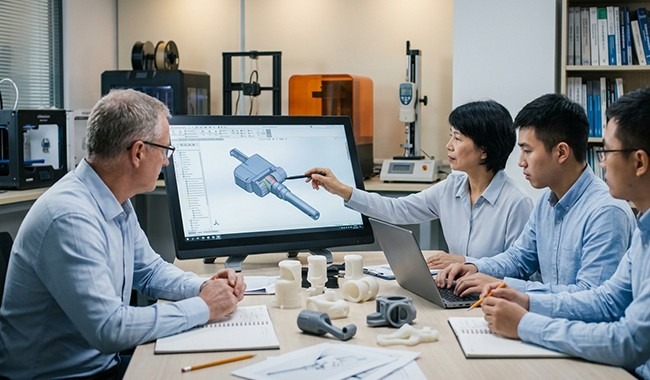
In many B2B industries, product failure rarely begins at the factory floor. The larger risk often starts much earlier - during new product development decisions made before tooling, sourcing, or ...
In many B2B sectors, delayed launches are no longer treated as isolated operational mistakes. They increasingly affect procurement stability, distributor confidence, inventory turnover, and long ...
OEM manufacturing in China continues to attract retailers, distributors, importers, and private label operators because it offers direct access to lower production costs, flexible manufacturing ...