Not Sure About Your Unit Cost or Manufacturing Overhead?
Many discussions around how to find dropshipping suppliers start with platforms and tools, but in practice, the real friction often appears much later. In a recent sourcing interview, a UK-based e-commerce operator told us that supplier communication—not product discovery—became his biggest bottleneck. Marketplaces like Alibaba can surface hundreds of vendors quickly, but does access equal suitability? For procurement teams serving B2C markets, the challenge is rarely “where to search,” but how to evaluate supplier responsiveness, MOQ flexibility, and lead time reliability before small issues begin to compress profit margins.
From a B2B sourcing perspective, supplier quantity introduces its own trade-offs. Working with a single dropshipping supplier may simplify coordination, yet it exposes the business to concentration risk when disruptions occur. Expanding to multiple suppliers can improve fulfillment resilience, but often at the cost of SKU inconsistency and quality variance. When even minor deviations can increase RMA rates or customer complaints, is redundancy still a net gain? Many experienced buyers now frame how to find dropshipping suppliers as a portfolio decision rather than a one-time match.
It is also critical to recognize that not every sourcing channel fits every business stage. For early-stage sellers, online marketplaces provide speed and low entry barriers. For established retailers, distributors, or importers, direct factory relationships or regional sourcing agents often offer better control over compliance, scalability, and long-term margin stability. Because of this, any guidance on how to find dropshipping suppliers must be applied conditionally—based on order volume, market maturity, and internal operational capacity. The real question is not whether a supplier can ship orders today, but whether they can support your supply chain when demand becomes less predictable.

What are Dropshipping Suppliers and companies?
In practice, dropshipping suppliers function as the operational backbone of the seller’s business, even though they remain invisible to the end customer. They provide the products, manage inventory availability, and execute fulfillment on the seller’s behalf. This is why conversations about how to find dropshipping suppliers cannot be reduced to product selection alone. When suppliers control warehousing, packaging, and shipping, are they still just vendors, or have they effectively become part of your extended supply chain?
While every direct-selling setup differs by market and scale, the transaction flow between sellers and suppliers is usually consistent. A customer places an order, the seller transmits the order details to the supplier, and the supplier handles procurement, packing, and shipment directly to the customer. On the surface, this workflow appears straightforward. Yet each transfer point introduces potential friction—order synchronization delays, inventory discrepancies, or fulfillment errors. If these issues occur repeatedly, how quickly do they begin to affect customer trust and downstream profitability?
Supplier location further complicates this equation. Dropshipping suppliers and logistics partners operate across multiple regions, offering sellers global sourcing flexibility. However, cross-border fulfillment often extends lead time and increases delivery uncertainty. Lower sourcing costs may look attractive on paper, but do they still make sense when longer transit times reduce conversion rates or increase customer service workload? For procurement teams evaluating how to find dropshipping suppliers, the key is not global coverage, but alignment with target-market delivery expectations and operational tolerance.
How to Find Dropshipping Suppliers
The first step in finding Dropshipping Suppliers (how to find them) is to
- Utilize online B2B platforms
Online B2B platforms are the preferred channel for How to Find Dropshipping Suppliers. These platforms bring together suppliers from all over the world, making it easy for buyers to compare and choose. For example, platforms such as Alibaba, Global Sources, WIDQ and Made-in-China provide a large amount of supplier information, which can be filtered according to conditions such as product categories, regions and supplier qualifications. - Participate in industry exhibitions
Industry exhibitions are an excellent opportunity for direct face-to-face communication with suppliers. By attending trade shows, you can learn about the latest product trends, evaluate supplier strengths, and establish direct business contacts. For example, the Canton Fair (China Import and Export Fair) is a globally recognized trade show that attracts a large number of international buyers and suppliers. - Utilize professional sourcing websites
Some professional sourcing websites provide supplier information and sourcing resources to help buyers find suitable suppliers. For example, Qixinbao’s Supply Chain Relationship Mapping product shows the relationship between enterprises and upstream suppliers, downstream customers and competitors through big data mining, helping buyers better understand the background of suppliers. - Seek help from industry associations
Joining industry associations can provide you with rich resources and connections to help you find reliable suppliers. Industry associations often provide resources such as member directories, industry reports and market analysis to help you better understand supplier information. - Utilize search engines and social media
Through search engines and social media platforms, you can find potential suppliers. For example, searching for companies in related industries on LinkedIn or looking up manufacturers of specific products on Google are effective ways to find suppliers.
Step 2 of finding Dropshipping Suppliers (Understanding and Communicating)
- Understand the Supply Chain
To help identify quality dropshipping suppliers, let’s review the supply chain process. All products start at the manufacturer, and some of these manufacturers also offer dropshipping services, which often have the advantage of the lowest prices and largest profit margins. This is an important question when choosing to work with a generation shipment provider – do they wholesale and ship on behalf of the manufacturer, or do they use a separate generation shipment distributor? In cases where a manufacturer does not have their drop ship process, they may choose to work with one or more wholesale distributors, who will then offer you their products (and services) at a higher price.
Sometimes, there may even be secondary wholesalers who claim to buy products from the manufacturer, but in reality, there is only one step between them and they are working with the wholesaler. This all means that your profit margins will be lower, so make sure you know exactly where the source is coming from and whether you can cut out any unnecessary middlemen in the supply process. Technically, you may still be working with a quality direct sales wholesaler, but it may not necessarily be the one that provides you with the best value and cost efficiency. - Determine your direct marketing needs
Next, it’s important to evaluate your business and your goals to determine what you need from your substitute shipping supplier to be successful. Make a list. By accurately determining the needs of your drop ship wholesaler, you can ignore any factors that don’t align with your e-commerce plans. For example, those who require volume agreements that far exceed your fulfillment needs. You can then consider profit margins based on product cost and selling points, and determine if their pricing plans are within your budget. You can continue this evaluation process based on your list. Quality drop ship wholesalers want a partnership where they know they will build a lasting rapport and move the business forward for both parties, rather than forcing you to accept terms that are only favorable to them. - Don’t be afraid to ask questions
While doing your research, reach out to friends, family, coworkers, and anyone who has run a successful direct sales business. In addition, check out online forums and social media channels dedicated to the Dropshipping Suppliers channel, such as direct selling groups on Facebook or direct selling threads on Quora. These groups are happy to share their insights and offer advice or recommend the best partners. You can even ask any direct sellers you’re interested in (but aren’t quite right for) if they have any recommendations, as they probably have many industry contacts. This is a good option if, for example, you want to work with a supplier but their volume requirements are more than they need – they may be able to point you in the direction of a smaller operation.
Evaluating Dropshipping Suppliers
Not all Dropshipping Suppliers are the same. Each supplier is unique in what they offer, such as the amount of product data they provide or their direct sales policy. There are some core areas you need to consider when evaluating Dropshipping Suppliers:
- The quality and authenticity of Dropshipping Suppliers’ products
This is a very obvious (and probably the most important) area of research, but it’s surprisingly easy to overlook. When reading reviews and conducting research, especially in industries such as fashion, jewelry, and electronics, it’s important to make sure that you’re building a retail business with products from trusted suppliers. Pay close attention to the products you are researching – are there grammatical errors in the title or product description? I know we all make mistakes, but if these errors are present in a range of products, then you’re probably looking at a counterfeit. Also, if the price seems too good to be true, then unfortunately, it’s probably counterfeit. And, especially for electronics, be wary of direct sales from China, as many counterfeit companies come from there. - Dropshipping Suppliers’ (Reseller) Customer Service
If you apply to be a dropshipper and don’t receive a response via email or phone for weeks, you probably don’t want to do business with that supplier as it’s an indicator of the way they do business. When it comes to product issues, returns, or late shipments, good customer service can make up for the inevitable problems that come with any partnership. - Dropshipping Suppliers’ Warehousing and Shipping Options
Depending on where you sell (U.S., Canada, International, etc.), this can play an important role in choosing a supplier. Suppliers with multiple warehouses may add complexity to the process, but can result in significant savings on transportation costs, which can be an even greater asset for those with warehouses in different countries/regions. Pairing Canadian and U.S. warehouses is a common strategic approach to bypassing trade/tariff laws that prevent smooth (and affordable) movement across this border. - Dropshipping Suppliers’ Return Policy
If you are (or become) a successful retailer, you will receive returns – it’s part of business. Therefore, understanding your supplier’s returns policy and making sure it doesn’t leave you in the lurch is a key aspect of evaluating suppliers (especially Dropshipping Suppliers). - Inventory information for Dropshipping Suppliers
If you’re selling a large number of SKUs on a shoestring (which is common in the dropshipping retail industry), the quality and accuracy of your inventory information is important to how you do business and which suppliers you want to work with. If you’re reselling hundreds or thousands of products from multiple vendors, product images, titles, suggested retail prices, descriptions, and even categories in some cases almost have to be provided by the vendor. Additionally, providing accurate inventory counts and new product information daily is critical to running your business.
Build Good Relationships with Dropshipping Suppliers
You’ve researched various wholesale distributors and identified the best suppliers for your business. You can’t wait to get your business up and running as soon as possible. The next step is to apply to your Dropshipping Suppliers to become a reseller and start uploading their products to your sales channel. But before you get started, make sure you start communicating with this partner the right way. Completing a wholesale application or starting a search for a new supplier source is a simple process. However, some dealers still make a simple mistake when initially communicating with potential vendors, which negatively impacts their ability to get approved.
You never get a second chance to make a first impression, so make sure you get off on the right foot when applying to wholesale suppliers or asking any initial questions. It doesn’t matter whether you start a new personal relationship on a first date or a new business relationship on your first email or application. The way you present yourself in the first few comments or questions can affect your long-term relationship and even your ability to continue a relationship.
For example, let’s say you submit an email to your chosen distributor that reads something like the following: “I am ready to sell your products. Please send me catalogs, details, and prices, especially for the best sellers. I am setting up an eBay store and website. I don’t have any money so I need to sell the products quickly so I can pay my bills.”
While some vendors may approve a request with the required fields filled out, others may be more stringent and may even delete this email instead of replying or approving the request. Most won’t send such a bad email, but you should always consider how your initial communication will affect your potential relationship with that vendor and your application approval process.
Vendor-Retailer Relationships
Maintaining a good relationship with a supplier can work in your favor. Some of these benefits include competitive pricing, generous terms and better product availability. By cultivating a relationship, you can continue to provide your customers with quality products at reasonable prices. While there are many different business models, one of the most common in online retailing is for merchants to buy products from wholesalers and then sell those products at competitive prices, much like Amazon or eBay do.
For this business model to be successful, retailers must have a good relationship with their suppliers because they ultimately control everything: price, payment terms, shipment dates, and product availability. If your e-commerce business follows the business model described above, then you must be well aware of the importance of maintaining good relationships with your wholesale distributors. But how do you build that relationship and ensure they remain on the right track?
Here are some tips for building strong supplier relationships that will set your online business up for success:
Pay on time
You wouldn’t feel comfortable selling a product to a consumer without paying up front, and your vendors feel the same way. They run a business just like you do and deserve to be paid on time and as expected. Wholesale distributors typically have low margins, so the cash flow they receive from their orders is critical. When distributors see that retailers pay on time, they see them as valued customers and want to continue doing business with them.
Some distributors enter customer information into their customer relationship management (CRM) software and rate them based on payment. If you pay on time and get a better rating, you may also be able to get more competitive pricing on your products. Sometimes things do happen. If you foresee that you won’t be able to pay your bills on time, contact the supplier and try to resolve the problem. It’s better to be upfront and honest than to wait to receive an overdue bill.
Share key business information
Communication is good for any relationship, including your relationship with Dropshipping Suppliers. Wholesale distributors have many customers to work with, so it helps to share some important information about your business. This way, your distributors can better understand the work you do and what you expect from them. For example, let suppliers know about staff changes, special promotions you’re running, and new product lines. You may also find that by sharing this information, vendors can fill in the gaps by offering services you may not be aware of.
Establish clear sales expectations
Dropshipping Suppliers want to know how many products you expect to sell in a given period. This helps them get a better idea of how many products they need to order and what sales figures they can expect. Communicate your sales expectations and try to avoid last minute requests. While vendors are sometimes able to fulfill these requests, it won’t improve the relationship if you routinely underestimate or overestimate your sales numbers and then make last-minute requests.
Collect the right documentation
It’s a good idea to find out early on what types of documentation your Dropshipping Suppliers require from you. This will increase efficiency and reduce miscommunication. It can also speed up order processing and shipping. For example, some suppliers prefer to send spreadsheets via email or fax with each order. Larger manufacturers that sell directly from their warehouses may prefer to place orders via electronic data interchange (EDI).
Starting a Real Conversation
While e-mail is a fast and effective way to communicate, it is not a substitute for face-to-face interaction. It’s also important to make the occasional phone call; it allows you to get to know the people you’re working with and your needs better. Don’t hesitate to invite your supply team members to company events. A three-person race at the company picnic won’t be an automatic win! You can also squeeze in some face-to-face time by visiting your suppliers’ offices or meeting them for coffee or lunch. Think of your suppliers as champions of your business. You never know when your suppliers will become loyal customers and brand advocates for your business!
Be prepared for the unexpected
There is no such thing as an exact science when ordering products. Issues with manufacturing, inventory, shipping, etc. will always arise. Many of these issues are out of the supplier’s control, so it’s important to remain patient if they arise. Vendor relationships are crucial in retail, and it’s important to make sure you don’t jeopardize them when issues arise. You can have a quality product or service, but if you don’t maintain good relationships, it will be difficult for your brand to flourish. If you make an effort to build positive relationships with your suppliers, you’re more likely to enjoy amenities like better pricing, flexible terms, and even the occasional buyback. Your suppliers will also be more willing to provide you with extra inventory and better product availability if you need it.

How to Find Dropshipping Products
- Analyze market demand
Understanding market demand is the first step in selecting Dropshipping products. You can learn about current hot product categories and potential market opportunities through market research, analyzing industry reports, and following consumer trends. - Utilize online tools
Some online tools can help you analyze the market demand and competition for your products. For example, Google Trends can show you the search trends for specific keywords and help you understand the popularity of your product. - Focus on competitors
Studying your competitors’ product lines and sales strategies can inform your product choices. Understanding your competitors’ best-selling products and market positioning can help you find market gaps and launch differentiated products. - Participate in industry forums and communities
In industry forums and communities, you can learn about the experiences and insights of your peers and get inspiration for your product selection. Networking with other sellers and learning about their successes and failures will help you make informed product choices. - Pay attention to social media and Netflix recommendations
Social media and Netflix recommendations have a significant impact on product trends. Paying attention to these platforms and understanding the current hot products will help you seize the market opportunities in time.
FAQ
- What are Dropshipping Suppliers?
Dropshipping supply chains are often long and cumbersome. First, the product is produced at the manufacturing level, when it is the cheapest. Then, the product is stocked by the initial wholesaler, who usually raises the price of the product before it is available for Dropshipping. At this point, the product usually moves to another wholesaler who may raise the price further or act as if they received the product directly from the manufacturer. You (the wholesaler) then purchase and store the product before it reaches its final destination: the end consumer. Please note that delivery times may vary depending on the substitute shipping supplier. Some companies offer fast delivery. - How can I assess the reliability of a Dropshipping supplier?
You can assess the reliability of a supplier by checking the supplier’s credentials, customer testimonials, cases of cooperation, and on-site visits. - What are the pricing strategies for Dropshipping products?
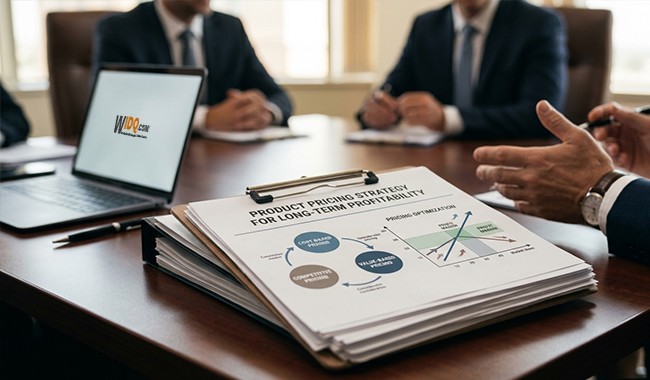
The pricing strategy of Dropshipping products should consider the cost, market demand, competition, and target profit to set a reasonable price. - How to deal with after-sales service in Dropshipping?
Establish a comprehensive after-sales service system, including return and exchange policy, customer service channels, and problem solving process to ensure customer satisfaction. - Are there any free Dropshippers?
Yes. There are several free direct sellers in both general and niche categories. While some of the larger direct sellers charge an annual or monthly fee, most only require you to pay for the cost of products shipped to your customers. Some may charge additional shipping costs or fees. - Is Dropshipping legal?
Yes, it is legal. It’s also important to familiarize yourself with the counterfeiting and trademark regulations in your area to ensure that you and your Dropshipping Suppliers avoid crossing any lines, including various branded products. - Is Dropshipping profitable?
Yes, Dropshipping can be profitable for merchants. Dropshipping is a low-risk business model that allows you to sell products to your customers without incurring the huge operating costs of a wholesaler. Because of its low cost, Dropshipping is easier and faster to monetize than other business models. Can I pay Dropshipping Suppliers by credit card?
Yes. Suppliers may even require you to pay by credit card from the start. - Can I ship directly on Amazon?
Yes, you can dropship on Amazon. However, your business must adhere to Amazon’s reshipping policies, which include: being the seller of record for your products and identifying yourself as the seller of the product on all packing slips, invoices, and outer packaging. You must also be responsible for accepting and processing customer returns of your products. An alternative to using Dropshipping Suppliers is the Logistics by Amazon (FBA) program. - Can I ship directly on eBay?
Yes, you can also dropship on eBay. However, this is a very competitive field and it is difficult to make a lot of money. - How do Dropshipping Suppliers handle returns?
To return an item, you usually need to get a Return Merchandise Authorization (RMA) from the supplier, which helps your customers send the product back to their address. Make sure you have all other merchandise information on hand to help the customer support process run as smoothly as possible. Once the item has been shipped and received, the vendor will refund you, and you in turn will refund the customer. Beware of additional fees charged by your reseller, including restocking fees.
About WIDQ
WIDQ Sourcing and Wholesale, OEM, Dropshipping, AI and other one-stop services
WIDQ is committed to providing a full range of one-stop services such as sourcing and wholesaling, OEM, Dropshipping and AI to meet the diversified needs of different customers. In sourcing and wholesaling, WIDQ has rich supplier resources to ensure product quality and supply chain stability. Meanwhile, we provide OEM service to help customers customize products according to their own brand and market demand to enhance brand value. In the field of Dropshipping, WIDQ provides customers with professional Dropshipping solutions, covering supplier screening, product selection, logistics and distribution, etc., to ensure the smooth operation of customers’ Dropshipping business. In addition, WIDQ Company actively applies artificial intelligence technology to optimize supply chain management, market analysis and customer service to improve operational efficiency and customer satisfaction. Welcome to visit www.WIDQ.com for more information.
WIDQ Company is committed to providing one-stop services of Sourcing & Wholesaling, OEM, Dropshipping and AI to help you succeed in Dropshipping business. Feel free to visit https://www.widq.com/ for more information.
Conclusion
How to Find Dropshipping Suppliers and Products is the key to running a successful Dropshipping business. You can find reliable suppliers by utilizing online B2B platforms, attending industry trade shows, utilizing professional sourcing websites, seeking help from industry associations, and utilizing search engines and social media. At the same time, you can find best-selling Dropshipping products by analyzing market demand, using online tools, following competitors, participating in industry forums and communities, and paying attention to social media and Netflix recommendations.