Not Sure About Your Unit Cost or Manufacturing Overhead?
As globalization continues to reshape markets, the global supply chain has become a central pillar for industries worldwide. Beyond serving as the backbone of day-to-day operations, it directly influences a company’s ability to compete in the global marketplace. Yet in recent years, unprecedented disruptions—from pandemic-induced delays to geopolitical tensions—have exposed vulnerabilities across supply networks. The question for executives and procurement teams alike is clear: how can businesses navigate these complex challenges while maintaining efficiency and resilience?
Even as supply chains have adapted and built new layers of resilience post-pandemic, 2025 brings a fresh set of hurdles. Rising logistics costs, fluctuating demand, labor shortages, and evolving e-commerce requirements are forcing companies to rethink traditional models. But where there are challenges, opportunities arise. Strategic adjustments in sourcing, inventory management, and warehouse operations not only mitigate risk but can also become differentiators in a crowded marketplace.
One notable trend is the shift toward localized operations. Multinationals are increasingly manufacturing and distributing closer to key markets to reduce dependency on long-haul shipping, mitigate regulatory uncertainties, and improve response times. This shift, however, comes with its own trade-offs—balancing cost optimization against agility and resilience. In the sections that follow, we will explore the current state of the global supply chain, highlight key challenges B2B companies face, and present actionable strategies to strengthen supply chain performance and gain a competitive edge.

Current Situation of Global Supply Chain
The operation of the global supply chain has evolved far beyond the traditional production and logistics model, becoming a complex, multinational, cross-industry network. Today, it encompasses not only procurement of raw materials, manufacturing, transportation, and inventory management, but also distribution, last-mile delivery, and post-sales service. For B2B companies, understanding this intricate network is critical, as inefficiencies or disruptions in any link can directly impact margins, customer satisfaction, and market competitiveness. How can businesses ensure resilience while maintaining operational efficiency across such a vast system?
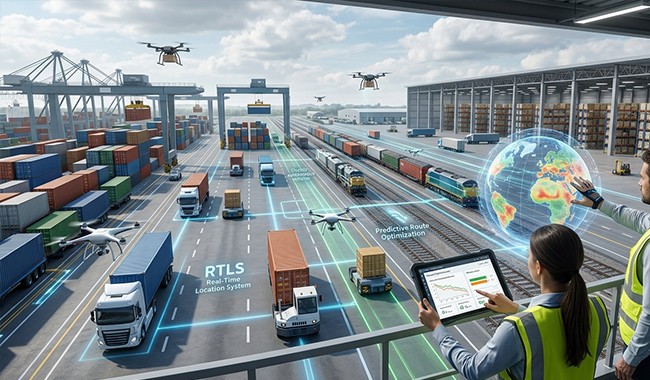
Digital Transformation: Technology has become the cornerstone of modern global supply chain management. Cloud computing, big data analytics, the Internet of Things (IoT), and Artificial Intelligence (AI) are increasingly integrated into procurement, forecasting, and logistics operations. These tools provide transparency, enhance predictive capabilities, and allow companies to optimize inventory and delivery schedules in real time. The question for supply chain managers is: how can you leverage these digital tools to not only reduce costs but also improve responsiveness and customer experience?
Globalization and Network Optimization: The deepening of globalization has resulted in highly interconnected supply networks. Multinational enterprises are continuously optimizing production and distribution systems by allocating resources across regions to achieve lower costs and higher efficiency. Yet, this complexity also introduces new risks. How can businesses strike the right balance between global efficiency and operational resilience, particularly in volatile geopolitical or trade environments?
Supply Chain Vulnerability: The pandemic highlighted the fragility of many global supply chains. Production halts, transportation delays, and raw material shortages exposed gaps in risk management strategies. B2B leaders must now rethink their contingency planning, diversify product sourcing, and consider multi-tier risk assessments to prevent disruptions from translating into lost revenue or delayed deliveries.
Environmental Protection and Sustainability: Sustainability is no longer optional; it is a strategic priority for modern supply chains. Companies are increasingly exploring eco-friendly materials, green logistics, and socially responsible practices. The challenge lies in achieving environmental and social objectives without compromising production efficiency or profitability. How can businesses integrate sustainability into their global supply chain strategy while remaining competitive in price-sensitive markets?
The Modern Supply Chain
Before we dive into the major supply chain risks facing the industry today, let’s take a quick look at the recent history of supply chains since the pandemic and see how we got here ……
2021-2022
In some ways, Global Supply Chain got back on track for a few years after a very turbulent 2020. However, several supply chain disruptions continued into 2021 and beyond, creating even greater difficulties for 3PL providers and e-commerce retailers large and small.
The most common supply chain challenges in 2021 and 2022 are port congestion, labor mobility deficits, manufacturing delays, and extreme weather events (including hurricanes, tornadoes, and wildfires). Many outliers-such as new COVID variants, plant shutdowns, and the now infamous stranded Longchamps scenario spell trouble for the industry.
Despite experiencing many natural phenomena and external factors, many e-commerce brands (including those that have partnered with Exthive such as Tushy) have found creative ways to keep revenue flowing and buyers happy. Some brands have shifted to backorder sales, while others have chosen to work with domestic suppliers rather than foreign ones. While these changes have not eliminated problems in the supply chain, they do provide companies with greater flexibility, leverage, and risk mitigation options. Companies that survive the volatility are likely to do so by streamlining and focusing on working capital while improving efficiencies across the organization.
2023-2024
While supply chain disruptions largely subside at the macro level by 2023, new disruptions continue to cause unexpected delays. Geopolitical issues in Ukraine and the Middle East have caused ships to avoid the Suez Canal and instead bypass the Horn of Africa, significantly impacting international shipments and delivery times. Extreme heat (especially in Southeast Asia) and intense hurricane seasons over the past few years have also complicated Global Supply Chain operations.
While these events typically occur far enough away to not directly affect U.S. consumers, they have impacted the globally distributed supply chain network that procures raw materials and delivers finished goods across the globe. Companies continue to address these issues head-on by building strong partnerships with logistics providers, sourcing nearshore and domestic suppliers, and making on-demand arrangements to realize greater margins and make airfreight more affordable.
Finally, with rampant inflation causing the cost of resources, unfinished materials, and energy to rise, many companies are shifting their focus to domestic. Brands and 3PLs alike are looking for ways to optimize all parts of their business to increase efficiencies, reduce costs, and improve the value they provide to their customers.
Global Supply Chain in 2025
As 2025 approaches, supply chain experts anticipate several new and unforeseen challenges to predictable transit times, productivity, and profitability that could impact a wide range of industries across the globe.
Here are some of the biggest supply chain challenges we predict to face in 2025:
- Global economic uncertainty
As we move into 2025, uncertainty in the global economy is more imminent than ever, creating multifaceted challenges for the Global Supply Chain. This uncertainty stems from a variety of sources, including volatile oil prices, unpredictable inflation rates, and changing trade policies, all of which can significantly impact cost structures and operational stability. Advanced technologies such as financial forecasting tools and sophisticated supply chain predictive analytics software can help you navigate these uncertainties and mitigate risk. Proactive financial planning and strategic global partnerships are key to adapting to these economic fluctuations while maintaining supply chain resilience. - Changing geopolitical relationships
Geopolitical changes are expected to have a significant impact on the Global Supply Chain, especially with Donald Trump back in office and proposed tariffs in 2025. Companies must stay abreast of foreign affairs and adapt to prepare for potential fluctuations in trade policy that could affect incoming and outgoing movements. Developing a flexible supply chain strategy and maintaining strong relationships with global partners can help mitigate the risks associated with these political changes. You must remain neutral and focus on strategic adjustments to ensure continuity and resilience of operations. - Regulatory compliance
Keeping up with the complex web of new and existing regulations in different markets can be a daunting task for supply chain managers. Automated systems that help track and manage compliance data can significantly reduce this burden. Additionally, proactively responding to regulatory changes and integrating them into business operations is critical to smooth operations. Working with legal and compliance experts can provide the insights needed to navigate these waters without running afoul of the law. - The urgency of sustainability
Sustainability drivers are reshaping supply chain strategies, pushing companies to be more transparent about their environmental impacts and to adopt more sustainable logistics practices to achieve broader ESG (environmental, social, and governance) goals. These sustainability initiatives – such as optimizing transportation routes to reduce fuel consumption, as well as focusing on renewable energy, and optimizing energy use – are not only helping companies to comply with increasing regulatory requirements but also to meet the growing expectations of consumers and investors who prioritize ESG metrics. - Changing consumer demands
Today’s consumers expect more than just fast service; they demand transparency, customization, and sustainability. To keep pace, supply chains are adopting technologies that offer real-time tracking and personalized service options. Advanced analytics play a critical role in understanding and predicting consumer behavior, enabling companies to manage inventory more efficiently and reduce waste. By integrating responsive logistics solutions, companies can not only meet current consumer demands but also adapt to future innovations and expectations. - Labor shortages
Ongoing labor shortages, including truck drivers and warehouse workers, are prompting companies to rethink their workforce strategies. Automation and artificial intelligence (AI) are becoming increasingly important, filling gaps and increasing productivity. However, technology alone is not enough. Retaining a skilled workforce also requires improved working conditions and attractive compensation packages. Focusing on employee development and engagement will help ensure a reliable, skilled team ready to meet the challenges of the future. - Cybersecurity
As the digitization of supply chains increasingly becomes the norm, the risk of cyber threats is growing. A single breach could disrupt operations and damage a company’s reputation. To guard against these risks, companies are investing in cutting-edge cybersecurity measures to protect the digital supply chain. Regular audits and employee training on security best practices are also critical. Work with IT security experts to continually update and strengthen security measures to secure your supply chain from evolving cyber threats.
How Organizations Can Address Global Supply Chain
In the face of all these challenges, companies need to adopt a series of strategies to optimize the management of the Global Supply Chain to ensure efficient operation and sustainability of the supply chain. Below are a few strategies that can be used to address Global Supply Chain:
Digital and Intelligent Supply Chain Management
Enterprises can enhance the intelligence of their supply chains by adopting technologies such as cloud computing, big data, and artificial intelligence (AI). A digitalized supply chain enables real-time data sharing and monitoring, helping companies quickly identify potential risks in the supply chain and respond quickly. For example, AI technology can predict changes in demand and optimize inventory management; the Internet of Things (IoT) enables real-time tracking of every link in the supply chain.
Establishing a Diverse Supply Chain
To avoid over-reliance on a single supplier or a single market, companies should establish a diversified supply chain system. By finding multiple suppliers, production bases, and logistics channels, enterprises can diversify risks and cope with supply chain disruptions caused by unexpected events.
Enhance supply chain sustainability and environmental protection
As consumers become more environmentally conscious, companies need to consider sustainability when designing and operating their supply chains. Enterprises can achieve a green transformation of their supply chains by choosing environmentally friendly materials, optimizing production processes, and reducing waste emissions, in line with increasingly stringent global environmental policies.
Enhance supply chain transparency and visualization
Supply chain transparency and visualization can help enterprises better monitor each link, reduce management blind spots, and identify problems promptly. By using a supply chain management system (SCM), companies can track the status of their supply chain in real-time and improve overall efficiency.
Optimize inventory management and logistics strategies
To cope with transportation delays and inventory backlogs, companies need to optimize inventory management systems and adopt more flexible inventory strategies, such as lean inventory management (JIT) and on-demand production (ON-Demand Production). At the same time, they need to optimize their logistics strategy and choose more efficient transportation methods to reduce transportation costs.

FAQ
Q: What are the key challenges for Global Supply Chain?
The main challenges for the Global Supply Chain include raw material shortages, transportation and logistics delays, changes in global trade policies, labor issues, and increased environmental and social responsibility requirements.
Q: How can companies address the risk of supply chain disruption?
Enterprises can address the risk of supply chain disruption by establishing a diversified supply chain, digital management, and enhancing supply chain sustainability.
Q: What are the advantages of digital supply chain management?
Digital Supply Chain Management can improve supply chain transparency, reduce inventory backlogs, optimize production scheduling, and respond to unexpected problems in the supply chain in real-time.
Q: How to reduce transportation costs in the Global Supply Chain?
By optimizing logistics channels, choosing cost-effective transportation modes, and rationally arranging inventory, companies can effectively reduce transportation costs.
About the WIDQ.com
In the context of globalization, Global Supply Chain has become the core of operations in various industries. However, with the changes in the international situation and the impact of global epidemics in recent years, the vulnerability of the supply chain has been exposed. How enterprises can cope with the challenges, optimize processes, and improve efficiency in the complex and changing Global Supply Chain environment has become an urgent issue nowadays. Currently, the Global Supply Chain is facing many challenges: shortage of raw materials, logistics delays, rising costs of cross-border transportation, and uncertainty of trade policies. Especially for large-scale B2B Wholesale Businesses, there is a need to ensure the stability and flexibility of the supply chain to ensure the timely supply of products and meet customer needs. This is precisely our strength.
In the current uncertainty of the Global Supply Chain, choosing a reliable and efficient B2B wholesale platform becomes an important choice for enterprises. WIDQ provides comprehensive Global Supply Chain solutions to help companies meet various challenges. From sourcing and wholesaling, and OEM customization to dropshipping, WIDQ provides one-stop solutions to ensure your smooth operation in the global market. By optimizing supply chain management, WIDQ can help you reduce purchasing costs, shorten delivery time, reduce inventory backlog, and improve supply chain efficiency. Meanwhile, WIDQ’s strong team and supply chain resources will provide you with personalized services. Whether it is the customized demand of products or the logistics support of cross-border e-commerce, WIDQ can ensure that we can provide you with the best solutions in Global Supply Chain.
Whether you are a start-up SME or a multinational company expanding its global business, WIDQ can provide you with tailor-made service solutions.WIDQ’s B2B wholesale business has covered many countries and regions and helped thousands of enterprises optimize their supply chain and enhance their competitiveness. By choosing WIDQ, you will get the best supply chain support in the world, which will help your company to move forward steadily in the global market.
WIDQ provides one-stop Global Supply Chain services, including sourcing and wholesaling, OEM customization, Dropshipping direct shipment, AI intelligent product selection, and other services. With strong supply chain resources and a professional team, we provide high-quality and innovative product solutions to our global customers and help enterprises realize efficient international operations.
Welcome to visit www.widq.com to learn more and start your global sourcing journey!
With such one-stop Global Supply Chain services, you can not only easily meet the current challenges, but also seize more opportunities in the ever-changing market environment and enhance the competitiveness of your enterprise in the global market.
Conclusion
As the Global Supply Chain is facing more and more challenges, companies must respond to these difficulties through innovation, technology upgrades, and management optimization. Digital supply chain, supply chain diversification, and sustainability strategies will become the key to future business competition. Through effective supply chain management, enterprises can not only reduce risks but also enhance global competitiveness. Enterprises should always pay attention to the changes in the Global Supply Chain and flexibly adjust their strategies to maintain long-term sustainable development.
Importance of data analysis. Given the complexity of realizing the strategic goals outlined above, it’s no wonder that a quarter of projects focus in some way on building data intelligence capabilities that can accurately measure and track supply chain operations, thus providing a foundation for insight-driven decision-making.
The key requirement of these projects is often some variation of “seamless information flow throughout the supply chain” to detect or predict customer demand and supply chain issues in near real-time and respond immediately based on automated decisions. Achieving ambitious sustainability goals also requires accurate and timely measurement of emissions. Companies and supply chain leaders looking to thrive in the months and years ahead are taking a hard look at their supply chain practices and reassessing what it will take to not only future-proof but also transform their supply chain operations into a competitive advantage.