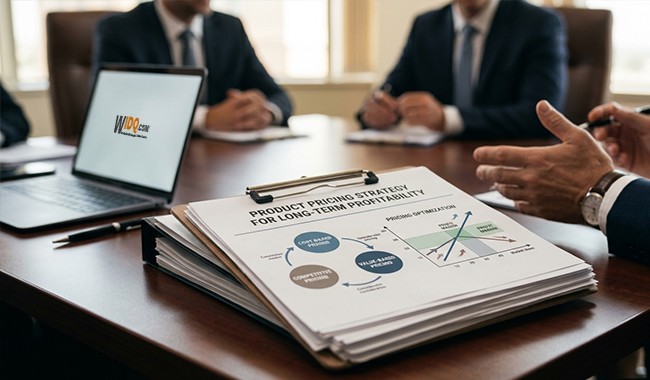
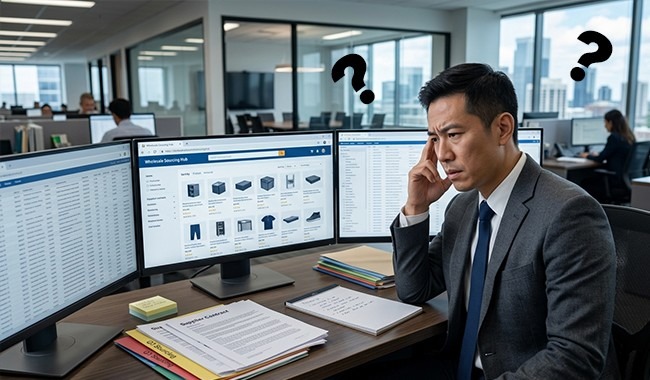
Not Sure About Your Unit Cost or Manufacturing Overhead?
Sourcing 3C electronics from China has become a common strategy for global B2B buyers looking to stay competitive in today’s fast-moving consumer electronics market. For retailers, wholesalers, distributors, e-commerce sellers, and procurement managers, China offers unmatched advantages in terms of manufacturing scale, product diversity, and cost efficiency. However, while the opportunities are significant, the risks involved in sourcing 3C electronics are equally real—especially for businesses without deep experience in the Chinese supply chain.
Many B2B buyers enter the sourcing process with clear commercial goals: reducing costs, expanding product lines, or launching private-label electronics. Yet in practice, challenges such as inconsistent quality, unreliable suppliers, compliance issues, and hidden costs often arise. These risks can lead to delayed shipments, customer complaints, financial losses, or even long-term damage to a brand’s reputation. For small to medium business owners and importers, a single failed order can disrupt cash flow and strain supplier relationships.
Unlike traditional consumer goods, 3C electronics involve higher technical complexity, stricter quality standards, and regulatory requirements that vary by market. A product that looks identical on a B2B online marketplace listing may perform very differently in real-world use. This gap between expectation and reality is where many sourcing risks originate. Buyers who rely solely on online listings or price comparisons often underestimate the importance of supplier evaluation, quality control, and clear communication.
At the same time, China’s 3C electronics ecosystem is highly fragmented. A single product category—such as chargers, earphones, or smart devices—may involve dozens of component suppliers, assembly factories, and trading companies. Not every 3C electronics supplier operates with the same level of transparency, manufacturing capability, or export experience. For procurement managers and trading companies, distinguishing reliable partners from high-risk suppliers is one of the most critical—and challenging—tasks.
This article is written specifically for B2B buyers who are actively sourcing 3C electronics from China and want to avoid common pitfalls. By understanding why China remains a dominant source, recognizing the most frequent sourcing risks, and learning how to evaluate suppliers and manage the sourcing process effectively, buyers can make more informed decisions and protect their business interests. Whether you are sourcing through a B2B online marketplace or working directly with manufacturers, a structured and risk-aware approach is essential for long-term success.

Why China Is a Major Source of 3C Electronics
China has established itself as the world’s leading manufacturing hub for 3C electronics, supplying products to nearly every global market. For B2B buyers—including retailers, distributors, and importers—this dominance is not accidental but the result of decades of industrial development, supply chain integration, and continuous innovation.
One of the key reasons China is a major source of 3C electronics is its highly concentrated industrial clusters. Regions such as Shenzhen and Dongguan are home to thousands of factories specializing in electronics manufacturing, components, tooling, and assembly. This ecosystem allows suppliers to respond quickly to market demand, customize products efficiently, and scale production with relatively short lead times. For buyers sourcing large volumes or managing seasonal demand, this flexibility is a major advantage.
Cost efficiency is another significant factor driving sourcing 3C electronics from China. While labor costs have increased in recent years, China still benefits from economies of scale, advanced automation, and a mature supplier network. Components such as PCBs, batteries, chips, and connectors can often be sourced locally within the same region, reducing logistics costs and production delays. This integrated supply chain enables competitive pricing without necessarily sacrificing functionality or design options.
In addition to cost and scale, China offers strong OEM and ODM capabilities. Many 3C electronics suppliers are experienced in working with overseas brands, e-commerce sellers, and wholesalers who require private labeling, customized packaging, or product modifications. From industrial design and firmware development to branding and compliance support, Chinese suppliers often provide end-to-end solutions that are difficult to replicate in other sourcing regions. This makes China particularly attractive for businesses looking to differentiate their products rather than compete solely on price.
The rise of the B2B online marketplace has further strengthened China’s position as a sourcing destination. These platforms allow global buyers to access thousands of electronics suppliers, compare product specifications, and initiate contact quickly. For small and medium-sized businesses, this has significantly lowered the entry barrier to sourcing 3C electronics internationally. However, while marketplaces improve accessibility, they also increase competition among suppliers—making due diligence more important than ever.
Another critical advantage is export experience. Many Chinese 3C electronics suppliers are deeply familiar with international markets, including the regulatory requirements of the EU, US, and other regions. Certifications such as CE, FCC, and RoHS are commonly handled as part of the export process. For importers and distributors, working with suppliers who understand these requirements can reduce compliance risks and simplify customs clearance.
Despite these advantages, it is important for B2B buyers to recognize that China’s strengths also come with complexity. The same diversity and scale that make China attractive can make supplier selection challenging. Understanding why China is a major source of 3C electronics is the first step; the next is learning how to navigate the risks that come with this sourcing environment.
Common Risks When Sourcing 3C Electronics from China
While China offers unparalleled opportunities for sourcing 3C electronics, the process also involves several common risks that B2B buyers must carefully manage. These risks are not limited to inexperienced importers; even established retailers and distributors can encounter problems if sourcing decisions are based solely on price or online listings.
One of the most frequent risks is inconsistent product quality. In the 3C electronics industry, small variations in components—such as batteries, chips, or cables—can significantly affect performance and safety. Some suppliers may use different materials across production batches without clear disclosure. For wholesalers and e-commerce sellers, this inconsistency can lead to increased return rates, negative reviews, and warranty claims.
Another major risk is working with unreliable or misrepresented suppliers. On a B2B online marketplace, a company may appear to be a manufacturer but is actually a trading company with limited control over production. This lack of transparency can result in communication gaps, delayed production, or difficulty resolving quality issues. For procurement managers managing tight timelines, such uncertainties can disrupt the entire supply chain.
Compliance and certification risks are particularly critical when sourcing 3C electronics for regulated markets. Products that do not fully meet CE, FCC, or RoHS standards may be detained by customs or rejected by local authorities. In some cases, suppliers may provide incomplete or outdated certification documents, exposing importers to legal and financial consequences.
Hidden costs also pose a significant challenge. While the initial quotation from a 3C electronics supplier may seem competitive, additional costs such as tooling fees, packaging upgrades, testing, or logistics surcharges can quickly add up. Buyers who do not clarify these details in advance may find their profit margins shrinking unexpectedly.
Finally, communication and cultural differences can amplify sourcing risks. Misunderstandings regarding specifications, quality standards, or delivery terms are common, especially when technical details are involved. Without clear documentation and confirmation, assumptions made during negotiations can lead to costly mistakes.
Recognizing these risks is essential for any business involved in sourcing 3C electronics from China. The key is not to avoid sourcing altogether, but to approach it with a structured and informed risk management strategy.
How to Evaluate a Reliable 3C Electronics Supplier
Choosing the right 3C electronics supplier is one of the most important decisions in the sourcing process. For B2B buyers, supplier evaluation should go beyond price comparisons and focus on long-term reliability, quality control, and communication capabilities.
The first step is to verify the supplier’s actual role in the supply chain. Buyers should determine whether they are dealing with a manufacturer, an OEM/ODM partner, or a trading company. This distinction matters because it affects production control, customization options, and issue resolution. Reliable suppliers are usually transparent about their factory location, production capacity, and core product lines.
Quality control systems are another critical evaluation factor. A professional 3C electronics supplier should have documented QC procedures covering incoming materials, in-process inspections, and final product testing. Buyers sourcing through a B2B online marketplace should request detailed information about these processes rather than relying on generic assurances.
Export experience and market familiarity also play a key role. Suppliers who regularly work with international clients understand the importance of compliance, documentation, and packaging standards. For importers and distributors, this experience reduces the risk of delays and non-compliance.
Communication efficiency is often underestimated but is essential in sourcing 3C electronics. Reliable suppliers respond clearly to technical questions, confirm specifications in writing, and proactively address potential issues. Poor communication at the evaluation stage is often a warning sign of larger problems later.
By applying a structured evaluation approach, B2B buyers can significantly reduce the risks associated with supplier selection and build more stable sourcing relationships.

How to Reduce Risks in the Sourcing Process
Reducing risks in sourcing 3C electronics requires a proactive and systematic approach. Even when working with a qualified 3C electronics supplier, buyers should implement safeguards throughout the sourcing process.
Starting with samples and pilot orders is one of the most effective risk-reduction strategies. Samples allow buyers to verify product quality, performance, and packaging before committing to mass production. Small trial orders help identify potential issues in real production conditions without excessive financial exposure.
Clear specifications and documentation are equally important. Detailed product requirements, including materials, tolerances, testing standards, and packaging instructions, should be confirmed in writing. This minimizes misunderstandings and provides a reference point in case of disputes.
Third-party inspections offer additional protection, especially for large or high-value orders. Independent inspections can verify product quality and quantity before shipment, reducing the risk of receiving non-conforming goods. Many experienced buyers consider this a standard practice when sourcing 3C electronics from China.
Finally, working with a sourcing partner or one-stop solution provider can further reduce complexity. Such partners help screen suppliers, coordinate quality control, and manage logistics, allowing B2B buyers to focus on sales and market expansion rather than operational risks.
By combining careful supplier evaluation with disciplined sourcing practices, businesses can take full advantage of China’s 3C electronics ecosystem while minimizing potential risks.
Role of B2B Online Marketplace in Sourcing 3C Electronics
For many B2B buyers, a B2B online marketplace is often the first stop when sourcing 3C electronics from China. Retailers, wholesalers, e-commerce sellers, and small to medium business owners rely on these platforms to quickly access a wide range of products and suppliers. Compared with traditional sourcing methods, online marketplaces significantly reduce the time and cost required to identify potential 3C electronics suppliers, especially for buyers entering a new product category or market.
One of the main advantages of a B2B online marketplace is visibility. Buyers can compare multiple suppliers, review product specifications, and evaluate pricing within a short time. This transparency is particularly useful in the highly competitive 3C electronics industry, where product lifecycles are short and speed-to-market is critical. For procurement managers handling multiple categories, marketplaces offer a centralized sourcing channel that improves efficiency.
However, while marketplaces simplify supplier discovery, they do not eliminate sourcing risks. Many suppliers on a B2B online marketplace may appear similar on the surface, using comparable product images and descriptions. In reality, their manufacturing capabilities, quality control standards, and export experience can vary significantly. This is where many buyers encounter challenges during sourcing 3C electronics, especially when decisions are based primarily on price.
Another limitation is supplier verification. Marketplaces provide basic company information, but they rarely reflect the full operational reality of a 3C electronics supplier. Some listings represent trading companies rather than actual manufacturers, which can affect production control, customization capability, and lead times. For distributors and importers managing long-term supply relationships, this lack of transparency can increase operational risk.
Despite these limitations, B2B online marketplaces still play an important role when used correctly. Experienced buyers treat them as a sourcing tool rather than a final decision-maker. They use marketplaces to shortlist suppliers, gather market intelligence, and understand pricing benchmarks. The actual risk management happens afterward—through sample testing, factory audits, quality inspections, and direct communication.
In short, a B2B online marketplace is a valuable entry point for sourcing 3C electronics, but it should be combined with thorough supplier evaluation and process control. Buyers who understand both the strengths and weaknesses of marketplaces are better positioned to build stable and scalable supply chains.
Why Work with a One-Stop 3C Electronics Sourcing Partner
As sourcing complexity increases, many B2B buyers are rethinking how they manage sourcing 3C electronics from China. Instead of coordinating multiple suppliers, inspections, and logistics providers independently, more businesses are choosing to work with a one-stop 3C electronics sourcing partner.
One of the biggest challenges in sourcing 3C electronics is fragmentation. A single product may involve multiple component suppliers, assembly factories, packaging vendors, and compliance requirements. For retailers, distributors, and e-commerce sellers, managing these elements individually requires time, technical knowledge, and local presence. A one-stop sourcing partner simplifies this process by integrating supplier selection, quality control, customization, and logistics into a single workflow.
Risk reduction is another key reason buyers choose this model. A reliable sourcing partner has established relationships with vetted 3C electronics suppliers, understands common quality and compliance risks, and implements standardized control procedures. This is especially valuable for small to medium business owners and importers who may not have dedicated sourcing teams or on-the-ground resources in China.
Compared with sourcing solely through a B2B online marketplace, a one-stop partner provides deeper involvement throughout the sourcing lifecycle. This includes pre-production reviews, sample evaluation, production monitoring, and pre-shipment inspections. For procurement managers, this level of oversight reduces uncertainty and improves supply chain predictability.
Communication efficiency is also significantly improved. Instead of coordinating with multiple suppliers across different time zones, buyers work with a single point of contact who understands both the technical requirements of 3C electronics and the commercial objectives of the buyer. This minimizes misunderstandings and accelerates decision-making.
Ultimately, working with a one-stop 3C electronics sourcing partner is not just about convenience—it is about control. For B2B buyers focused on long-term growth, brand reputation, and operational stability, this approach provides a more sustainable sourcing model.
FAQ
Q1: Is a B2B online marketplace enough for sourcing 3C electronics?
A B2B online marketplace is a useful starting point, but it should not be the only sourcing method. Successful sourcing 3C electronics requires supplier verification, quality control, and clear specifications beyond what most marketplaces provide.
Q2: How can I identify a reliable 3C electronics supplier?
Look for suppliers with clear manufacturing capabilities, export experience, documented quality control processes, and transparent communication. Sample testing and third-party inspections are strongly recommended.
Q3: What are the most common risks in sourcing 3C electronics from China?
Common risks include inconsistent quality, certification issues, unreliable suppliers, and hidden costs. These risks can be managed with proper evaluation and process control.
Q4: Is a one-stop sourcing partner suitable for small businesses?
Yes. For small and medium-sized business owners, one-stop procurement partners like WIDQ typically reduce operational burdens and lower overall risks, making the procurement of 3C electronics more convenient.
Conclusion
For B2B buyers—including retailers, wholesalers, distributors, and importers – sourcing 3C electronics from China presents both significant opportunities and manageable risks. The key to success lies in understanding the sourcing landscape and making informed decisions. While a B2B online marketplace provides access and visibility, it should be viewed as a tool rather than a complete solution. Supplier evaluation, quality control, and communication play a critical role in minimizing sourcing risks.
For businesses seeking greater efficiency and long-term stability, working with a reliable 3C electronics supplier or a one-stop sourcing partner can significantly improve outcomes. By combining structured processes with professional support, B2B buyers can reduce uncertainty, protect their brand, and build sustainable supply chains.
Ultimately, avoiding common risks in sourcing 3C electronics is not about eliminating challenges, but about managing them proactively. With the right approach, China can remain a strategic and reliable sourcing destination for your business.